Why a Gentle, Whole-Body Approach to Physical Therapy Matters

Why a Gentle, Whole-Body Approach to Physical Therapy Matters
Healing doesn’t happen in isolation. Pain, injury, and trauma affect the entire body—and often the nervous system as well. A gentle, whole-body approach to physical therapy recognizes that recovery is not just physical, but deeply connected to how we feel, move, and breathe.

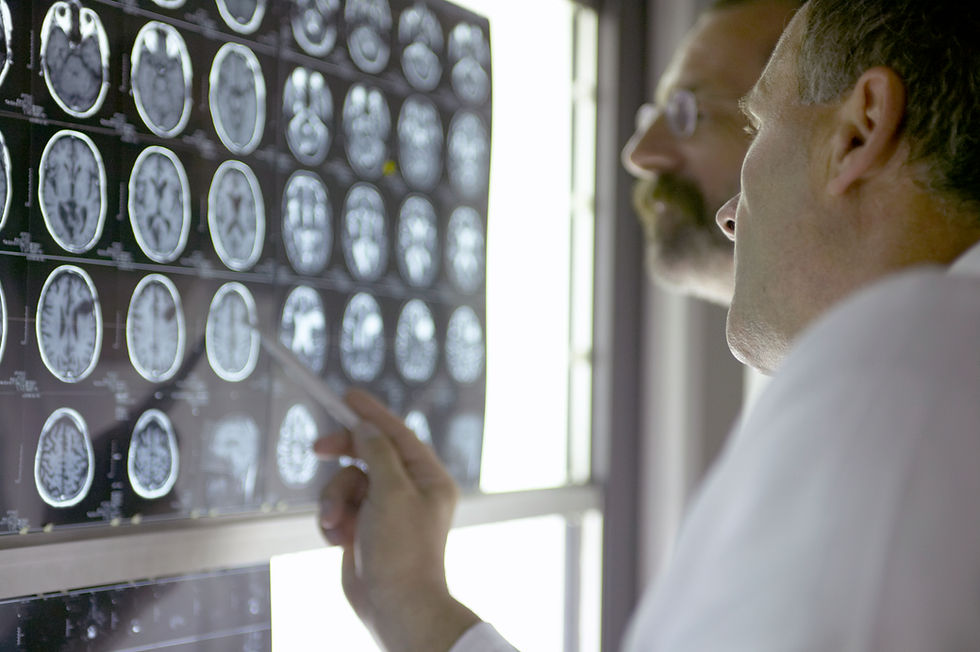
Rather than focusing only on the injured area, whole-body physical therapy looks at movement patterns, posture, breath, and nervous system regulation. This approach is especially beneficial for individuals recovering from brain injuries or long-term conditions, where sensitivity and fatigue may be present.
Gentle physical therapy emphasizes listening to the body. Slow, intentional movement allows the nervous system to feel safe, reducing tension and supporting sustainable healing. This can be particularly important for people who feel overwhelmed by traditional rehabilitation models.
By integrating principles from physical therapy, mindful movement, and therapeutic exercise, patients often experience improved body awareness, reduced stress, and more efficient movement overall.
A compassionate, whole-body approach honors the fact that healing is not linear. With the right support, physical therapy can become a pathway not just to recovery—but to greater ease, confidence, and connection with the body.


Comments